
Optimal Timing for Fire Restorations
Fire restorations are most effectively performed when environmental conditions are stable, typically during dry seasons with low humidity. This reduces the risk of mold growth and ensures proper drying and restoration processes. Conducting restorations promptly after a fire minimizes damage escalation and prevents secondary issues.
Initiating fire restoration services soon after a fire incident helps to limit damages and reduce restoration costs.
Dry months in the region are ideal for fire restorations, as they facilitate quicker drying and material stabilization.
Avoiding restoration during heavy rain or high humidity prevents complications such as mold growth and delayed drying.
Having a rapid response plan ensures restorations are performed at the optimal time, minimizing secondary damages.
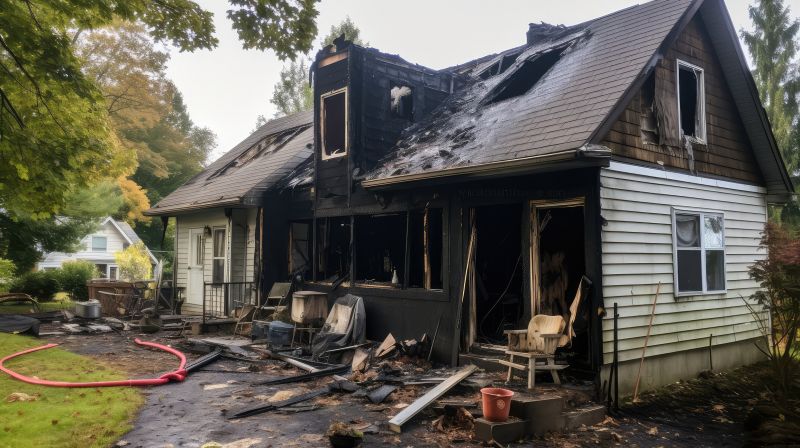
Assessing damage early helps determine the best time for restoration.
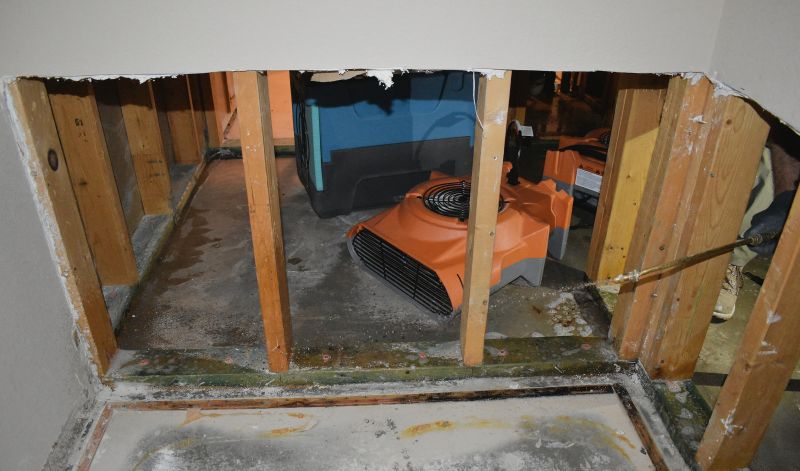
Proper equipment use during dry seasons ensures effective restoration.
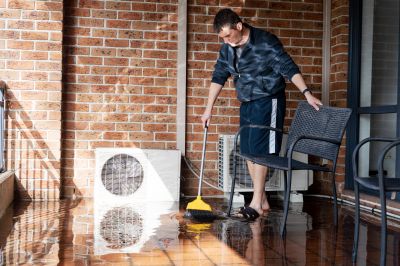
Optimal weather conditions support efficient drying of affected areas.
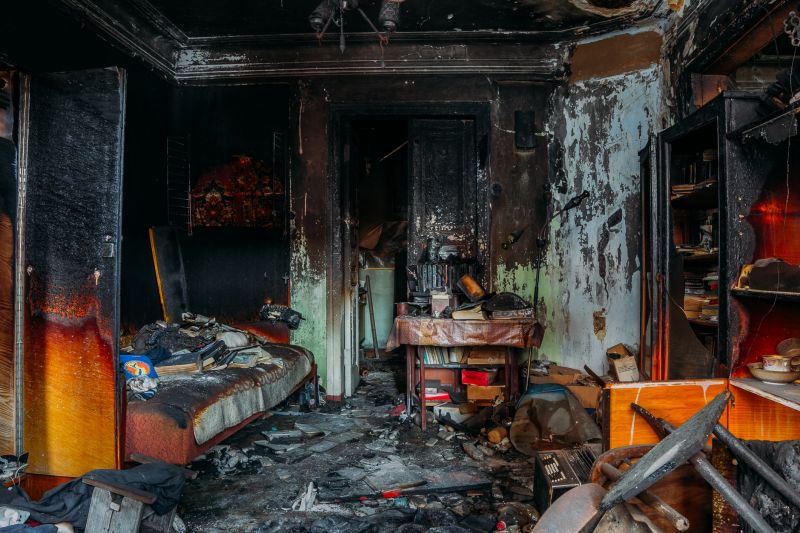
Ways to make Fire Restorations work in tight or awkward layouts.
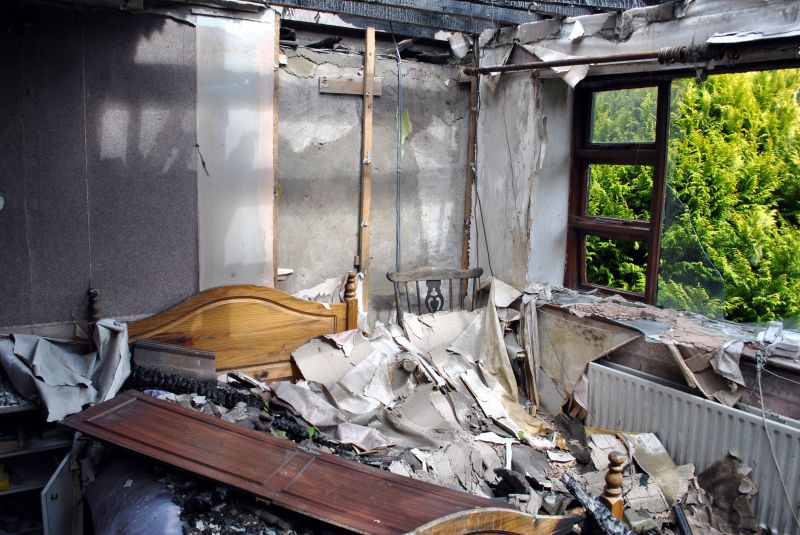
Popular materials for Fire Restorations and why they hold up over time.
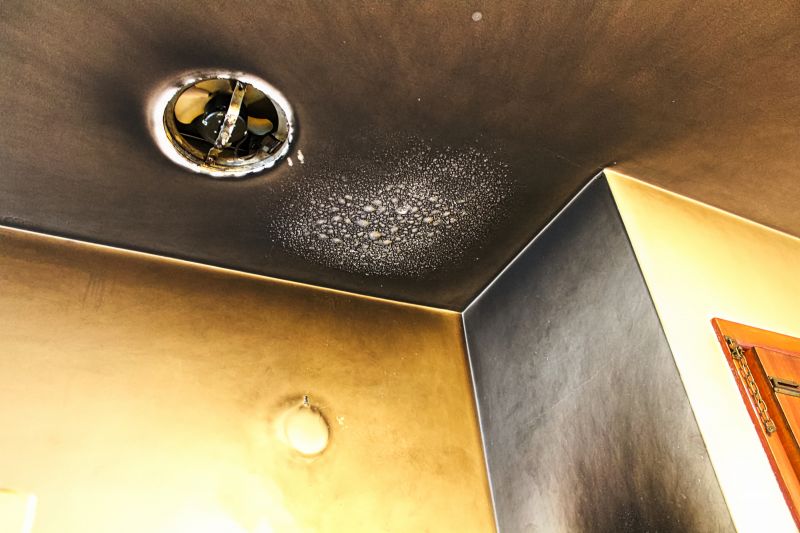
Simple add-ons that improve Fire Restorations without blowing the budget.
| Season | Optimal Restoration Conditions |
|---|---|
| Spring | Moderate temperatures and low humidity support effective restoration. |
| Summer | Dry weather favors quick drying, but high heat may require precautions. |
| Fall | Stable weather with decreasing humidity is ideal for restoration. |
| Winter | Cold temperatures can slow processes; indoor restorations are preferable. |
| Dry Season | Best overall period for fire restorations due to environmental stability. |
Fire restorations involve cleaning, structural repairs, and odor removal to restore properties affected by fire damage. Timely intervention can prevent further deterioration, such as mold growth or structural weakening. It is essential to evaluate environmental conditions to determine the most suitable time for restoration efforts, ensuring safety and effectiveness.
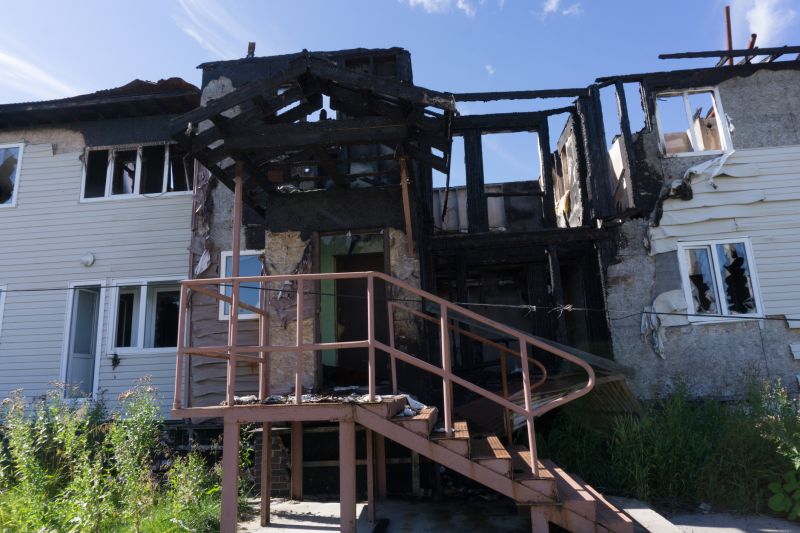
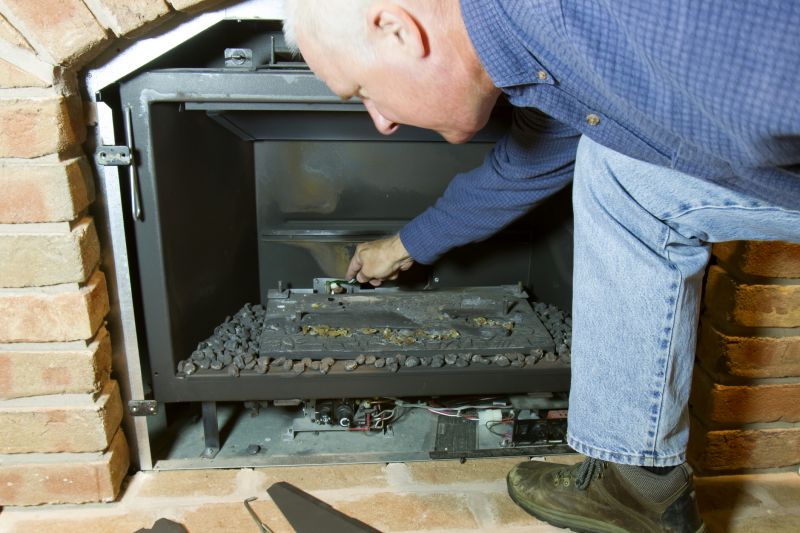
Fire-damaged structures undergoing restoration.
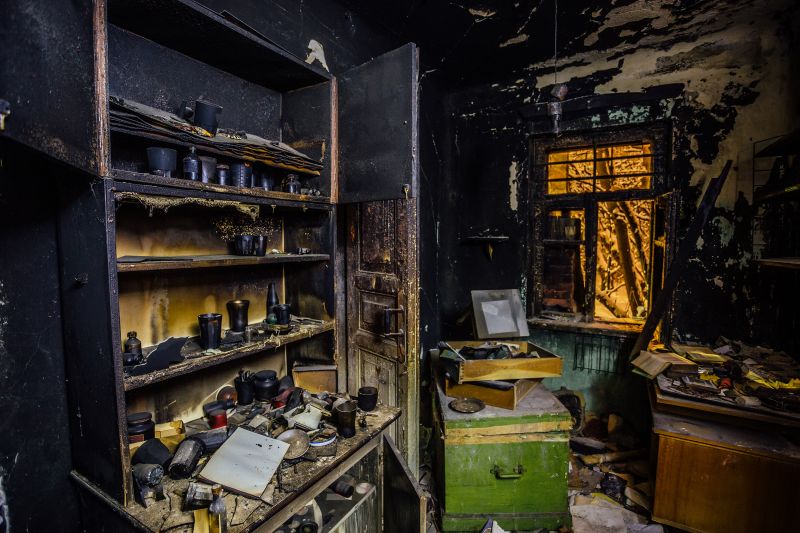
Removing soot and debris after a fire.
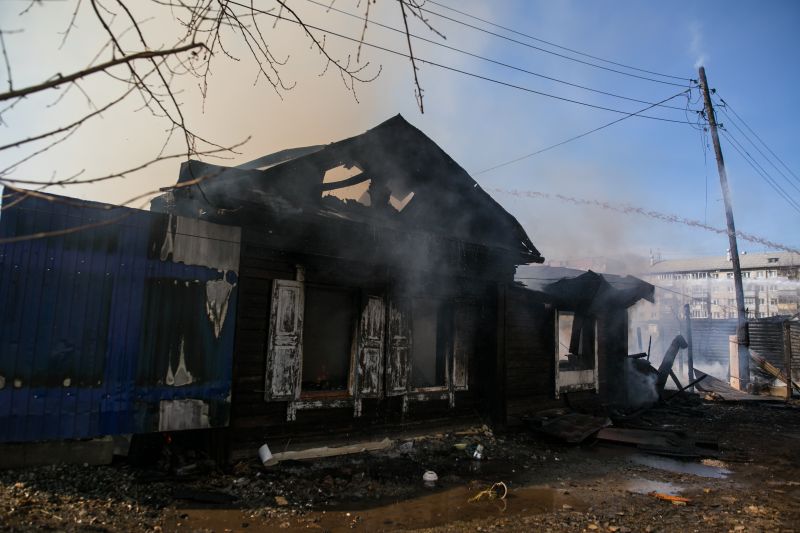
Restoring the integrity of fire-affected buildings.
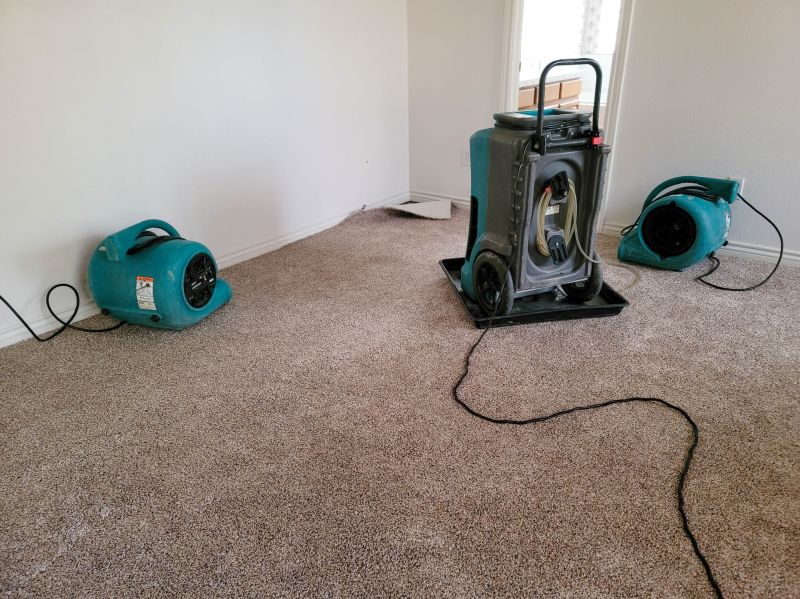
Specialized tools used to eliminate smoke odors.
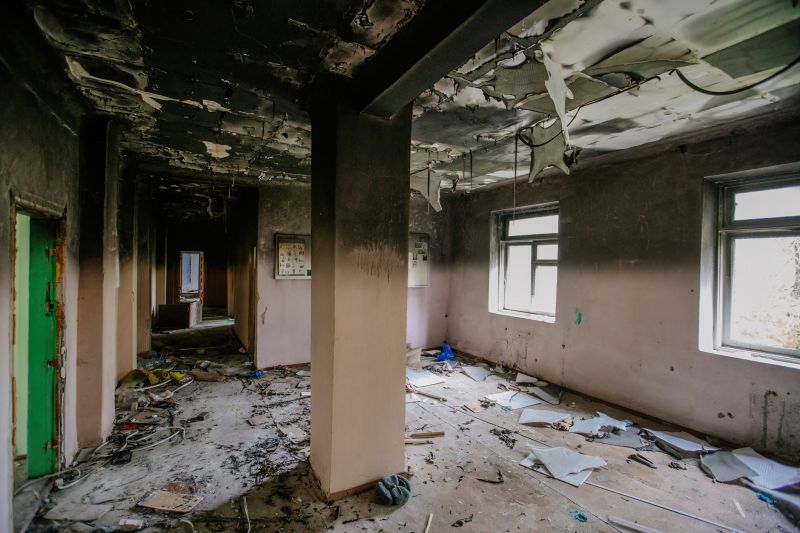
High-end options that actually feel worth it for Fire Restorations.
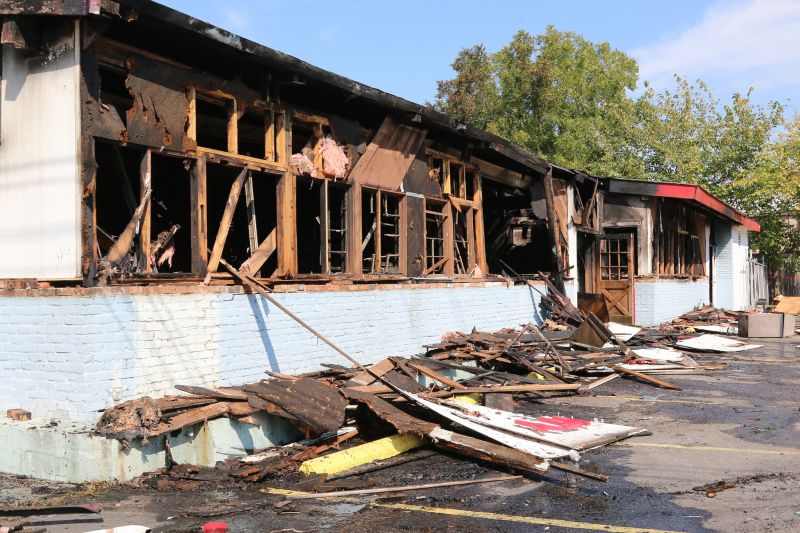
Finishes and colors that play nicely with Fire Restorations.

Little measurements that prevent headaches on Fire Restorations day.
A 60-second routine that keeps Fire Restorations looking new.
Potential clients interested in fire restorations are encouraged to contact for more information. Proper timing and planning are crucial for effective restoration, ensuring property safety and longevity after fire damage.